

“Carbon Footprint and Sustainability Evaluation for Transportation Infrastructure Using Geosynthetics” Workshop Proceedings Report
"Carbon Footprint and Sustainability Evaluation for Transportation Infrastructure Using Geosynthetics"
Date: 1–2 December 2025
Venue: CSIR–Central Road Research Institute, New Delhi
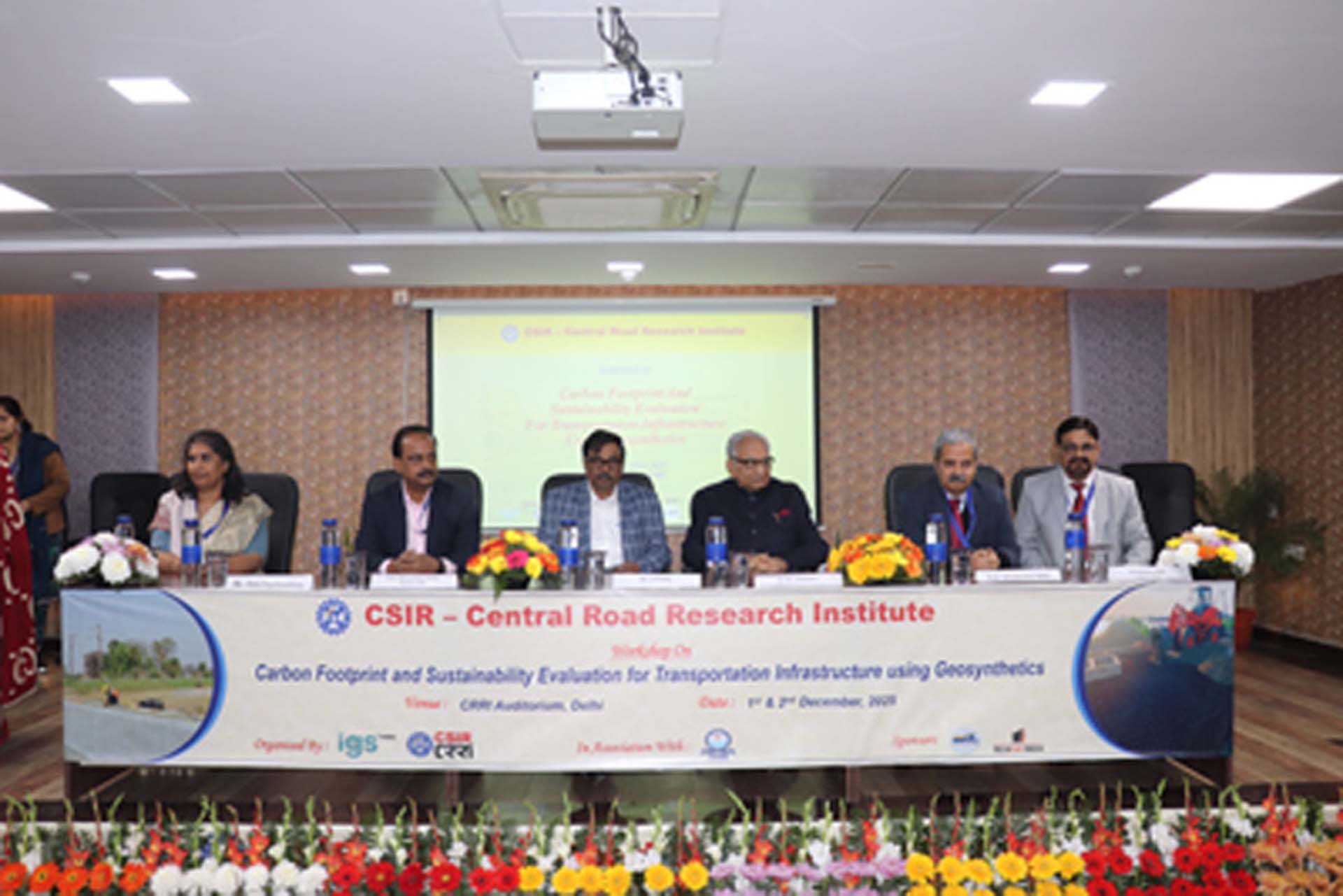
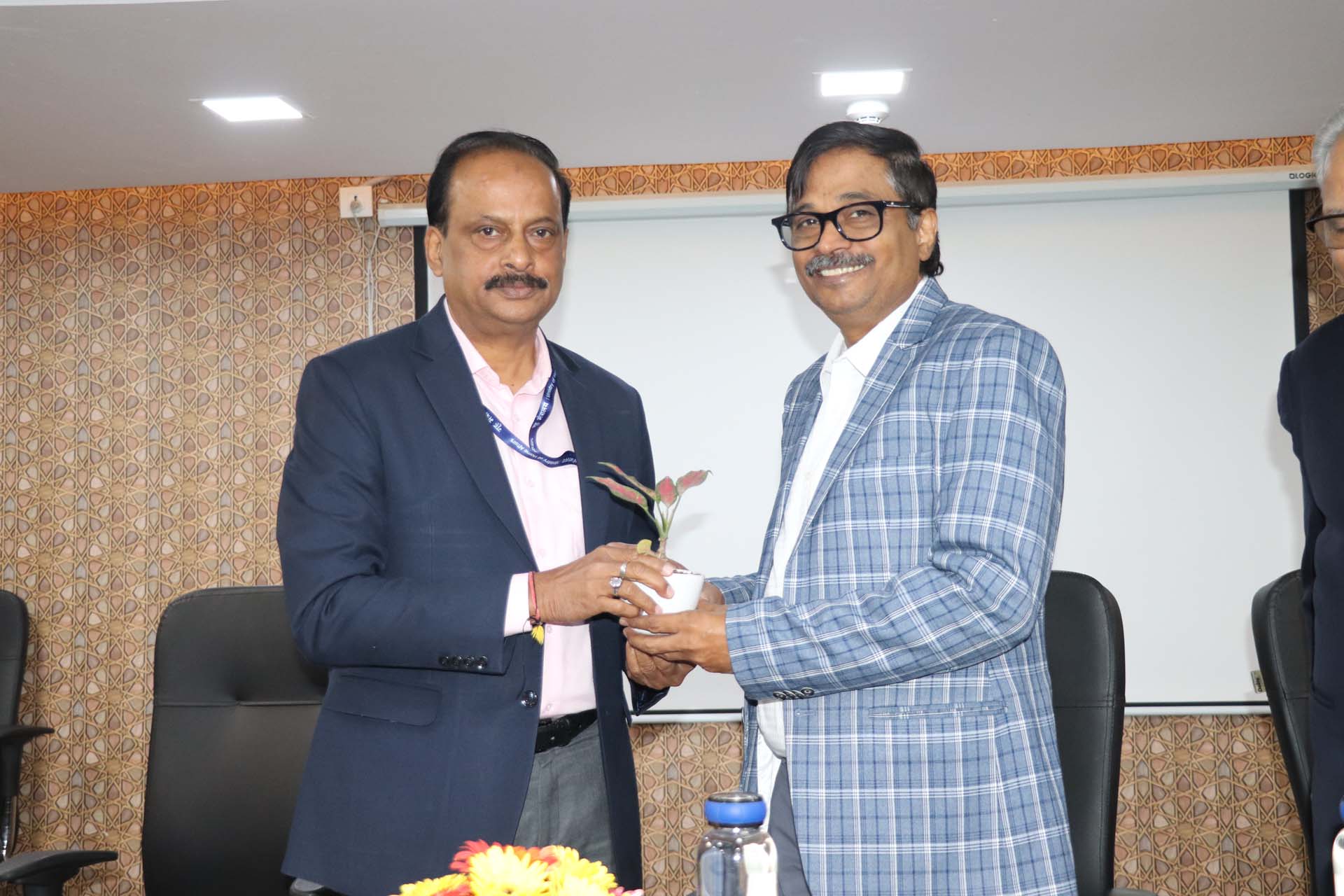
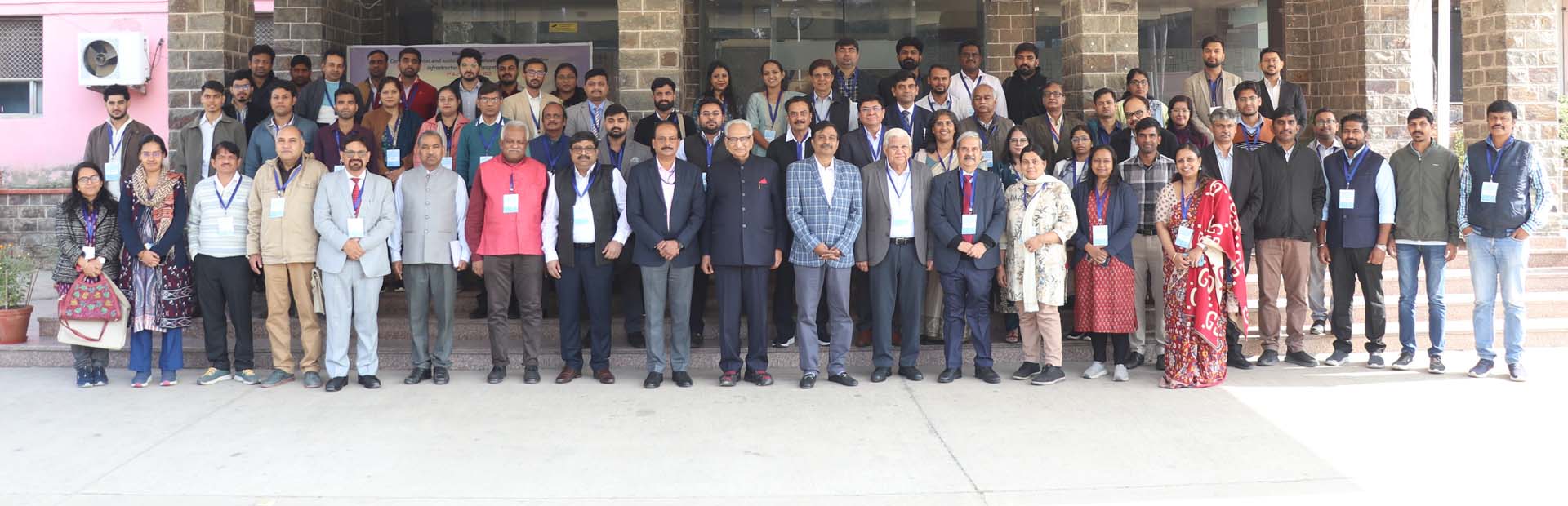
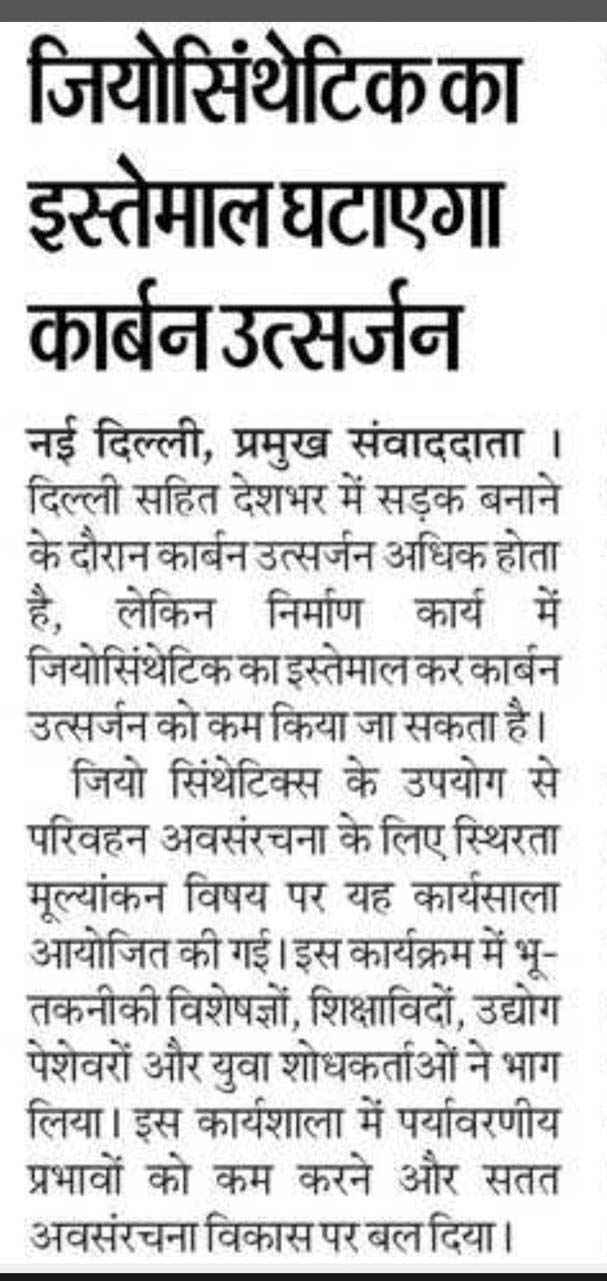
The International Geosynthetics Society (IGS) – India Chapter, in collaboration with CSIR–Central Road Research Institute (CRRI), successfully conducted a two-day national workshop on "Carbon Footprint and Sustainability Evaluation for Transportation Infrastructure Using Geosynthetics" on 1st and 2nd December 2025 at the CRRI campus, New Delhi. The workshop brought together leading geotechnical experts, academicians, industry professionals, policy stakeholders, and young researchers to deliberate on sustainable, low-carbon solutions for transportation infrastructure.
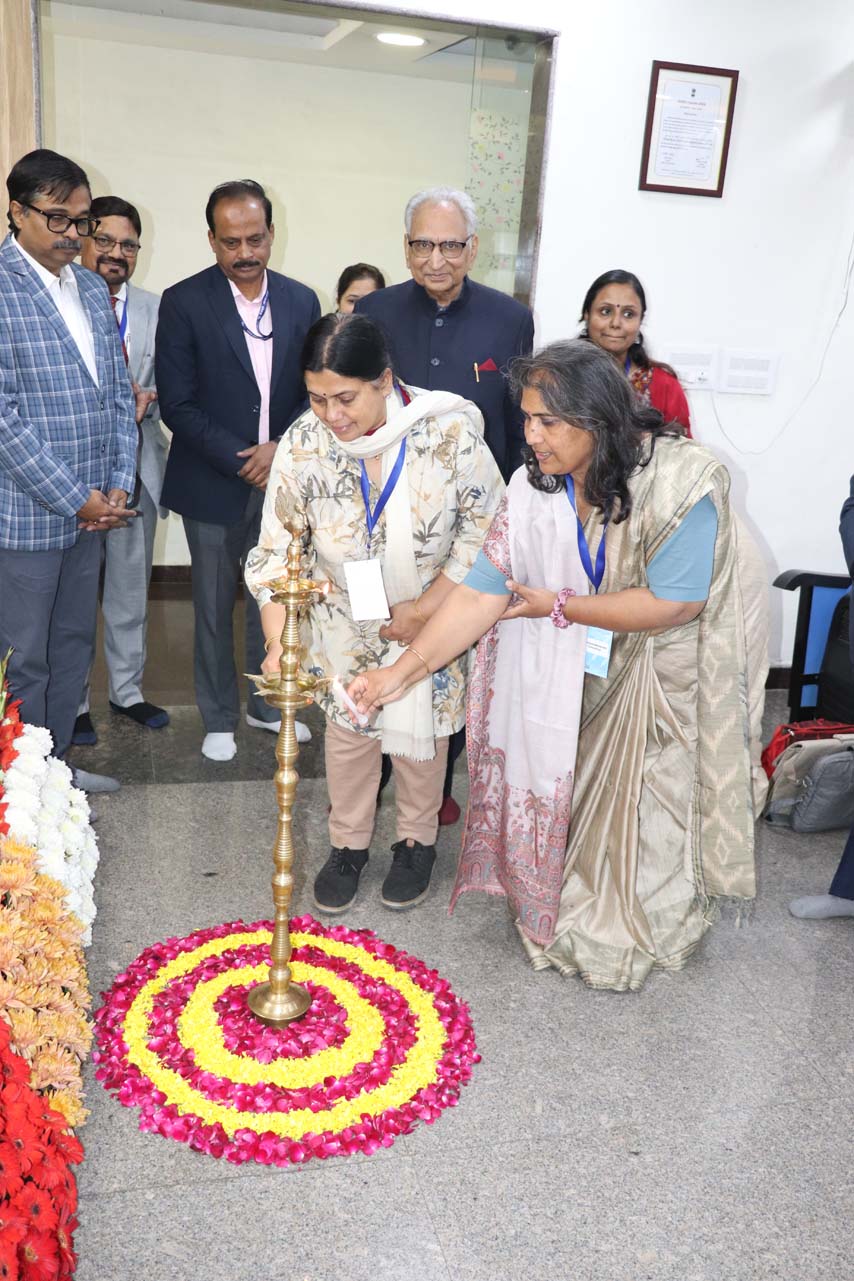
Inaugural Session
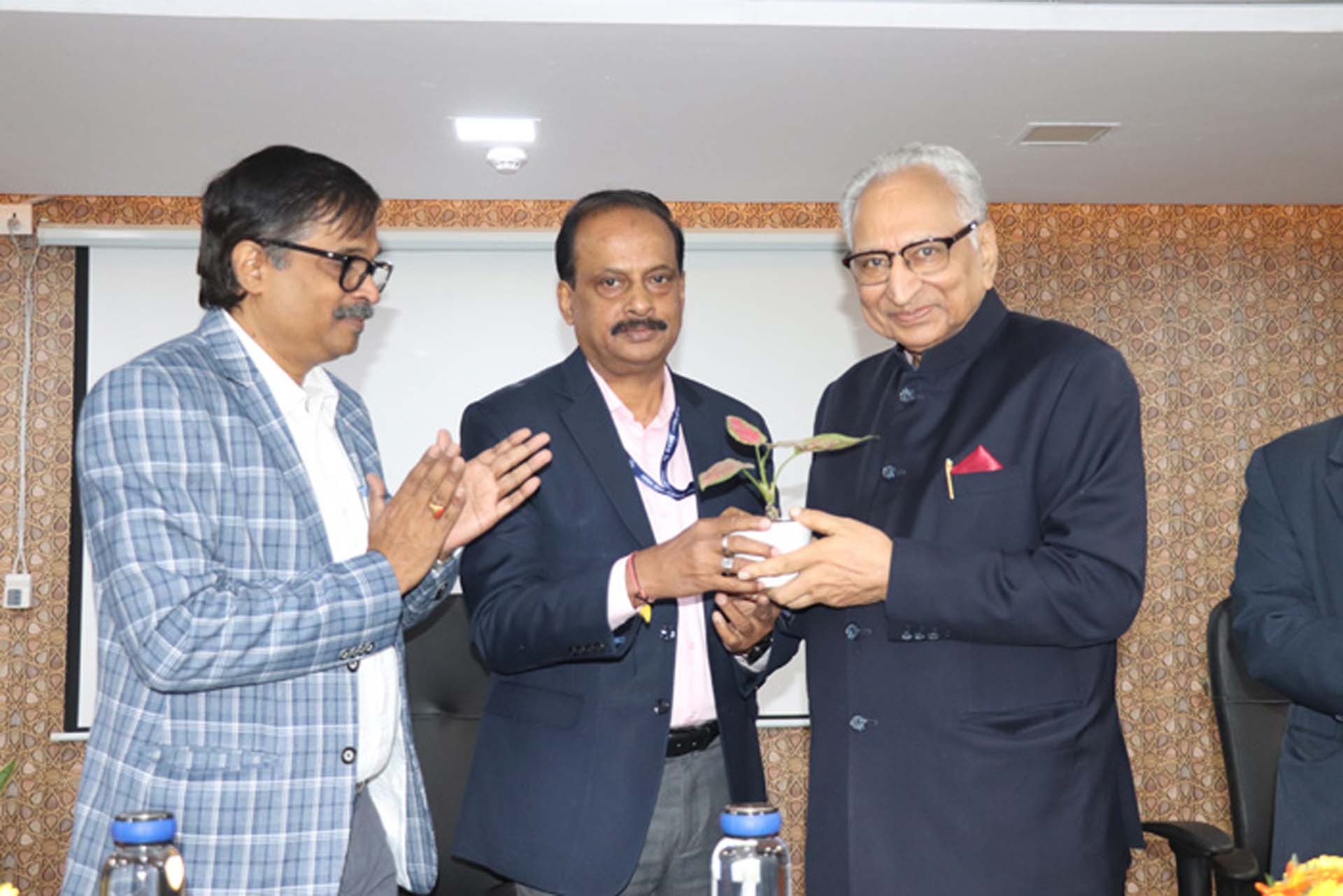
The inaugural session was graced by eminent dignitaries including Dr. R. K. Bhandari, Former Director, CBRI (Guest of Honour); Shri L. P. Padhy, CGM (Technical), NHAI (Chief Guest); Prof. T. Sivakumar Babu, Retired Professor, IISc, and President, IGS India Chapter; Prof. Manoranjan Parida, Director, CSIR-CRRI; Dr. Kanwar Singh, Chief Scientist and Head, Geotechnical Engineering Division, CRRI; Ms. Dola Roychowdhury, Vice-President, IGS India Chapter; and Dr. Parvathi G. S., Principal Scientist, Geotechnical Engineering Division, CRRI & Organising Secretary. The speakers highlighted the growing importance of sustainability, life cycle assessment, and carbon-conscious design in India's rapidly expanding highway sector.
Technical Sessions
Day 1
Prof. T. Sivakumar Babu presented insights on the Life Cycle Assessment (LCA) of Retaining Walls, including the first geosynthetic reinforced soil wall designed at CRRI and implemented at the Okhla Flyover. He emphasized the necessity of integrating LCA into routine geotechnical design practice. Dr. Ramu Baadiga, IIT Indore, delivered a lecture on "Carbon Footprint Evaluation of Geosynthetic-Reinforced Flexible Pavements." He discussed the environmental impacts of natural aggregate mining and highlighted the importance of adopting Material Input per unit of Function (MIF) and Life Cycle Resource (LCR) indicators in pavement design guidelines. Shri Saurabh Vyas, Techfab India, spoke on the Role of Geosynthetics in Sustainable Infrastructure and emphasized the importance of Environmental Product Declaration (EPD) for geosynthetic products based on cradle-to-grave LCA in accordance with ISO 14025 standards.
Dr. Shiksha Swaroopa Kar, CSIR-CRRI, presented a case study on Quantifying Carbon Savings in Highway Development, highlighting the significant impact oforestation and deforestation on overall project carbon footprint. Dr. Ratnakar Mahajan, Maccaferri, discussed a Comparative LCA of MSE Walls and Conventional Concrete Walls, emphasizing sustainability across social, environmental, and economic dimensions. Dr. Deepa S., CSIR-CRRI, presented a detailed study on Life Cycle Assessment of Pavement Rehabilitation Strategies, comparing Conventional Hot Mix Asphalt with Cold Recycling methods.
Day 2
Shri Rutu Joshi, WatershedGeo (USA), delivered an online lecture on Greenhouse Gas Reduction Using Geosynthetics, highlighting the importance of life-cycle-based environmental impact evaluation for carbon mitigation in transportation infrastructure. Ms. Dola Roychowdhury, GCube Consulting, elaborated on sustainability performance indicators for geosynthetic systems, including functional unit-based impact assessment, durability, and system-level efficiency. Dr. Tanmoy Gupta, Keller India, discussed sustainable ground improvement technologies using geosynthetics and compared their carbon footprint with conventional piling, vibro-compaction, and vibro-flotation techniques. Dr. P. V. Divya, IIT Palakkad, presented on Sustainable and Resilient Design of Geosynthetic Reinforced Soil Walls, integrating climate-induced uncertainties into performance evaluation.
Shri Anukul Saxena, Lonrix Ltd., shared analytical results showing 15–30% reduction in bituminous layer thickness and 7–24% reduction in carbon emissions through optimized use of geosynthetics in pavements. Ms. Shabana Khan, Strata Geosystems, emphasized the significance of third-party verified EPDs in quantifying and comparing environmental impacts of geosynthetics with conventional materials. Dr. Apoorva Agarwal, GeoQuest India, demonstrated how geosynthetic-based retaining wall systems significantly reduce environmental burden compared to traditional rigid wall systems.
Workshop Outcomes and Key Takeaways
The workshop highlighted the critical role of geosynthetics in minimizing environmental impacts and promoting sustainable transportation infrastructure. In line with India's net-zero emission target of 2070, the deliberations emphasized that carbon footprint reduction must become an integral part of DPR preparation, design, and construction planning. Key conclusions included:
• Geosynthetics can enable up to 15% reduction in overall carbon footprint in road infrastructure projects, but from the material and construction point of view, it can reduce upto 90% carbon footprint reduction.
• Life Cycle Assessment (LCA) must be institutionalized in highway design and project appraisal.
• Environmental Product Declarations (EPDs) were recognized as essential tools for transparent environmental impact assessment.
The workshop also underscored that true carbon accounting in road projects must consider not only embodied carbon but also carbon loss due to deforestation, vegetation clearance, slope cutting, and earthworks during highway construction, components that are often underestimated. Adoption of geosynthetics and sustainable geotechnical solutions can significantly reduce raw material extraction, preserve green cover, and enhance long-term carbon retention by reducing the need for maintenance. Finally, the deliberations highlighted the urgent need for national policy frameworks that incentivize greener technologies in road construction and maintenance, encouraging wider adoption of low-carbon, sustainable engineering practices across the country.


Upcoming Events
-
Design, Construction and Quality Control In Flexible Pavements 29 Dec 2025 to 2 Jan 2026
-
Geo-Spatial Technology (Gis, Gps, Rs Etc.) for Roads and Transportation 5 Jan 2026 to 9 Jan 2026
-
Quality Assurance, Health Assessment and Rehabilitation of Bridge 19 Jan 2026 to 23 Jan 2026
Photo Galleries
-
POSH week observance
-
SSBMT CSIR-CRRI Valedictory Function...
-
SSBMT CSIR-CRRI Cricket Matches 16th...
-
SSBMT CSIR-CRRI Volleyball Matches 16th...
-
CSIR-CRRI SSBMT Outdoor 2nd Zonal -...